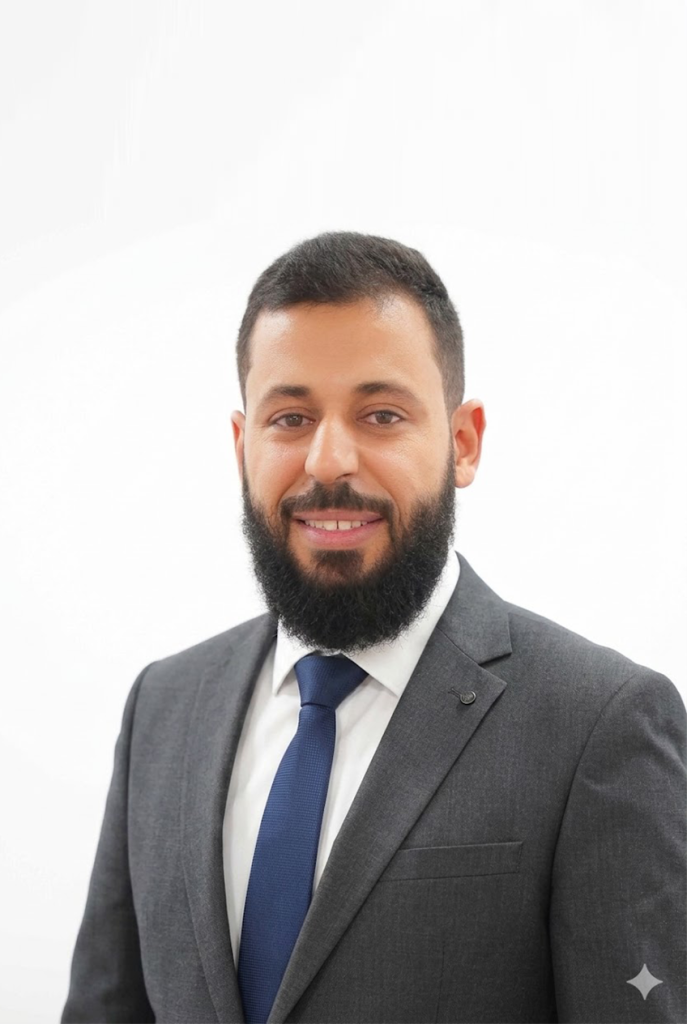
How HEMFA Supports CEOs in the Libyan Market in 2026
In 2026, the role of the Chief Executive Officer (CEO) is no longer limited to driving growth or monitoring general performance; it has become more complex and expansive. Today’s CEO is required to lead an organization capable of both growth and discipline simultaneously, navigating a fast-changing market, teams in need of greater clarity, and decisions that require a fine balance between ambition and realism. In the Libyan market specifically, the importance of this role is magnified as the environment demands high agility, expert prioritization, and a continuous ability to adapt to economic, regulatory, and operational shifts.
A successful CEO in this market leads not only through vision but by building an organization capable of execution. This means strategic clarity, a practical operating model, leadership team cohesion, and real performance indicators that reflect what is actually happening within the organization, not just what is supposed to happen. Furthermore, a CEO must foster an organizational culture built on accountability, speed, discipline, and the ability to make timely decisions.
Success for a CEO in Libya requires a deep understanding of the relationship between strategy and internal capabilities. Growth is not achieved simply because the market presents an opportunity, but because the organization is ready to seize it. Therefore, a CEO needs a partner to help translate high-level directions into actionable execution plans, link investment ambitions to operational efficiency, and build middle management capable of carrying change deep into the organization.
Regarding leadership, a CEO must treat their executive team as a single leadership unit, not a collection of separate departments. A successful leader creates clarity in roles, prevents conflicting priorities, establishes a regular rhythm of follow-up, and ensures every executive team member knows exactly what is expected of them and what they will be held accountable for. This involves building a corporate culture based on transparency, results, and responsiveness, rather than courtesy or inflated achievements.
This is where HEMFA steps in as an executive partner. We work with CEOs to redefine institutional direction, optimize operating models, link strategy to execution, elevate leadership maturity, and design initiatives that help the organization transform and grow with greater confidence.
Top Challenges for CEOs in Libya
Translating Vision into Actual Execution:
Many organizations have clear ambitions but stumble in practical implementation across departments. A CEO needs execution and follow-up mechanisms rather than more theoretical plans.
Aligning Growth with Institutional Discipline:
Rapid expansion without financial, operational, and organizational control creates fragility. What is required is organized growth governed by governance and efficiency.
Building a Cohesive Leadership Team:
A CEO’s success largely depends on the leadership team’s ability to function as a single system, rather than scattered centers of influence.
How HEMFA Empowers the CEO
Strategy and Institutional Transformation:
Helping the CEO craft a clear direction, define priorities, and link strategy to measurable execution initiatives.
Operating Model Optimization:
Developing the operating model to increase efficiency, clarify responsibilities, prevent departmental overlaps, and enhance executive discipline.
Leadership Development and Capacity Building:
Supporting CEOs in building stronger leadership teams, elevating second-line maturity, and fostering a culture of performance and accountability.
Why Choose HEMFA as a Partner for the CEO?
Because we do not offer isolated theoretical visions; we work on transforming strategic direction into an operational, leadership, and financial structure capable of execution. We help the CEO lead an organization that is clearer, more prepared, and more capable of growing confidently in a changing market.
Frequently Asked Questions (FAQ)
What are the CEO’s top priorities in the Libyan market today?
Clarity of direction, elevating execution quality, strengthening institutional discipline, and building an adaptive leadership team.
How does HEMFA help the CEO execute the strategy?
By translating strategic intent into clear initiatives linked to processes, capabilities, metrics, and the leaders responsible for execution.
When does a CEO need an external partner?
When the organization needs to reprioritize, develop its operating model, accelerate transformation, or build more mature leadership.